
How to Store Dosa Batter Without Plastic Containers
How to Store Dosa Batter Without Plastic — Best Containers India 2025
Dosa batter is a living, fermenting food. It produces carbon dioxide, generates organic acids, and has a strongly acidic profile. Storing it in plastic containers accelerates chemical leaching from the plastic into the batter — and those chemicals end up in your dosas. Here is the complete guide to plastic-free dosa batter storage.
Why Dosa Batter Attacks Plastic
During fermentation, dosa batter becomes increasingly acidic (pH drops to 4 to 4.5). Acidic environments are the most aggressive at leaching BPA and other chemicals from plastic. The combination of acid, warmth during fermentation, and multi-day storage makes plastic containers among the worst choices for dosa batter.
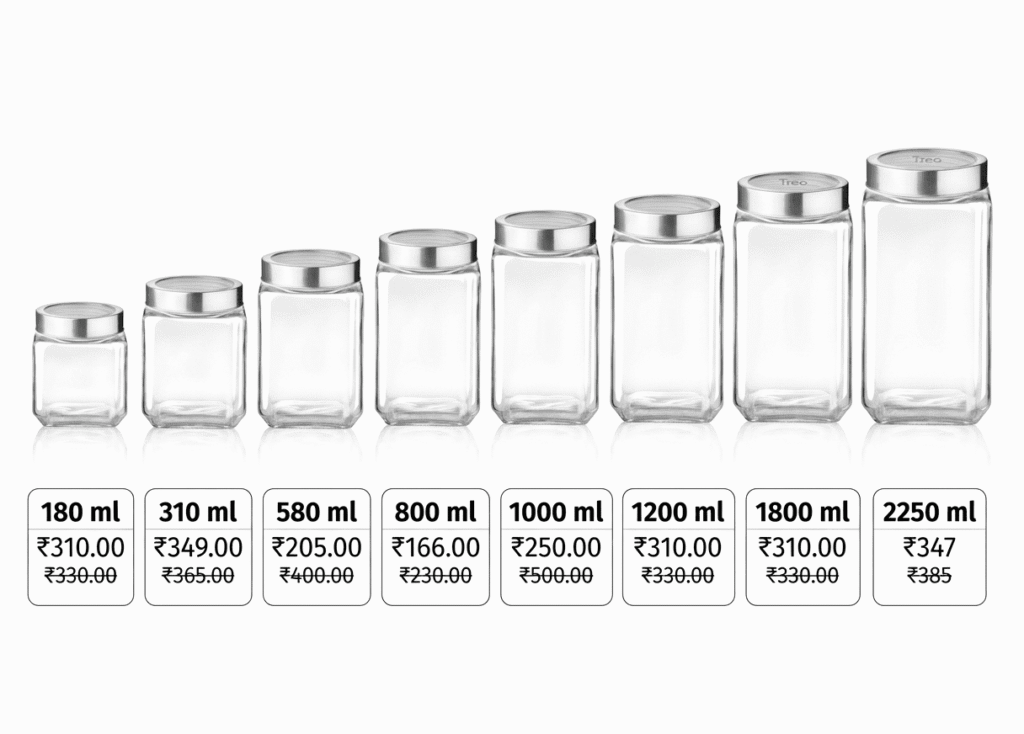
Best Containers for Dosa Batter Storage
Wide-mouth glass jar (2 litre or larger) — Best overall, see fermentation bubbles easily
Stoneware crock — Traditional, excellent, used in South Indian homes for generations
Stainless steel container with loose lid — Good for 2-3 day storage
Clay pot (earthen matka) — The most traditional option, adds subtle minerals
Practical Tips for Glass Jar Storage
Use a glass jar that is at least 2 to 3 times the volume of the batter to allow for expansion during fermentation. Cover with a cotton cloth tied with a rubber band rather than an airtight lid — this allows gases to escape. Move to the fridge after fermentation is complete and use within 4 to 5 days.
Traditional Wisdom: The Stone Grinder and Clay Pot Method
Traditional South Indian households ground batter in a wet grinder and stored it in a glazed clay pot. This method is making a comeback among eco-conscious families. Clay pots maintain a stable temperature, keep batter fermented evenly, and are completely free of synthetic chemicals.