
Plastic-Free Refrigerator Organization Guide for Indian Homes
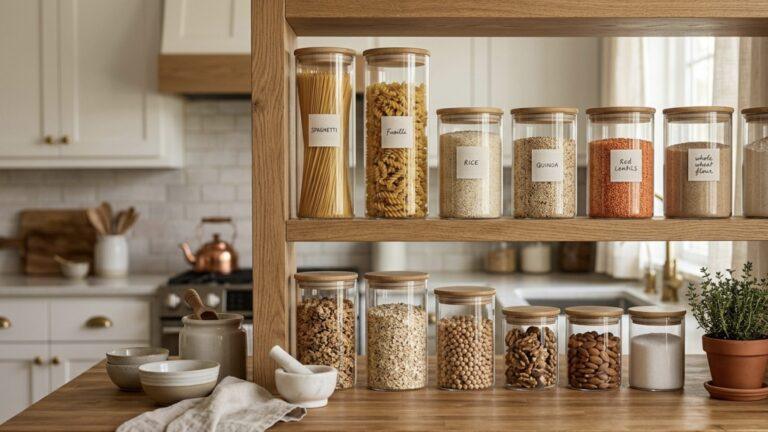
The average Indian refrigerator contains dozens of plastic containers, plastic-wrapped vegetables, plastic bottles, and plastic trays. Every time the fridge door opens and closes, temperature changes stress plastic items, increasing leaching. This guide shows how to completely reorganize your fridge without plastic.
The Plastic-Free Fridge: What It Looks Like
A plastic-free fridge uses glass containers for leftovers, steel tiffins for packed meals, cloth produce bags for vegetables, beeswax wraps for cut fruits, and glass bottles for water. It looks cleaner, stays odor-free longer, and is far healthier for your family.
Zone-by-Zone Fridge Organization Guide
Top shelf: Glass containers for leftovers, cooked dal, sabzi
Middle shelf: Steel tiffins with packed meals, glass bottles
Bottom shelf: Raw vegetables in cloth bags or open glass containers
Door compartments: Glass bottles for water, condiments in glass jars
Drawers: Cotton cloth to line produce drawers instead of plastic crisper trays
What to Replace First
Start with the items that hold food for multiple days — leftover containers and vegetable storage. These have the longest contact time with food and therefore the greatest leaching risk. Move to glass containers for these items within your first month.
Indian-Specific Fridge Storage Tips
Coconut milk: Store in a glass jar, use within 2 days. Green coriander and mint: Wrap in a damp cotton cloth inside the crisper. Tamarind paste: Glass jar prevents absorption of the strong smell. Idli/dosa batter: Wide-mouth glass jar with a loose lid allows fermentation gases to escape safely.